Key Takeaways
- Start planning your move well in advance to avoid last-minute chaos.
- Declutter your belongings to simplify packing and reduce moving costs.
- Set up utilities and change your address before moving day.
- Research your new city to familiarize yourself with the area.
- Maintain self-care routines to manage stress effectively.
Relocating to a new city is a major life transition, presenting both exciting prospects and numerous challenges. Organization and preparation can make all the difference in how smooth and stress-free your move is. Whether you’re moving for a new job, to be closer to family, or simply for a change of scenery, understanding how to approach the process with a calm and methodical mindset is key. For those interested in settling in New York’s scenic river towns, Croton on Hudson, NY Homes for Sale offers insights into available properties and what to expect in the area.
By planning and following a structured approach, you can minimize the anxiety and unpredictability that often accompany long-distance relocations. The process can be overwhelming, but breaking each step down into manageable tasks makes your move less daunting. From researching neighborhoods to securing moving services, every decision makes the transition easier.
One of the most important things to remember about moving is that it opens opportunities, not just logistical hurdles. If you treat the move as a chance to hit reset and explore a new environment, it can turn into one of the most rewarding experiences of your life. Preparing adequately will not only reduce your stress but also help you settle into your new community faster.
Plan Ahead to Minimize Stress
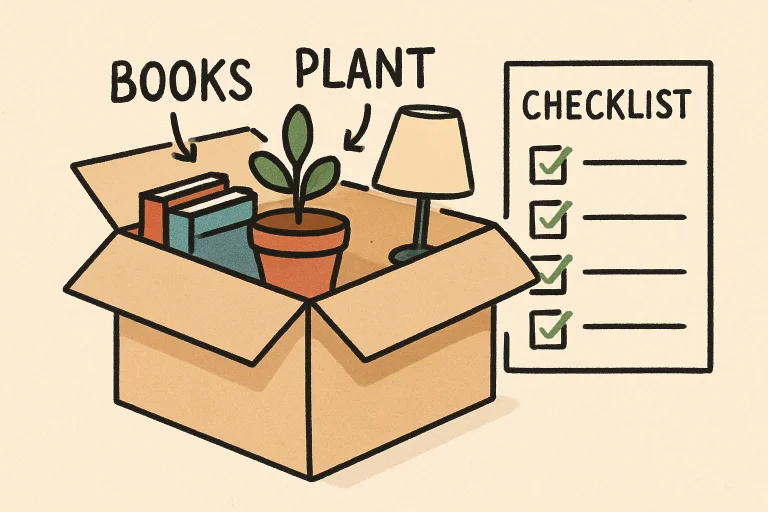
Starting early is the most effective way to ensure a low-stress move. Months before your actual moving day, create a timeline and checklist outlining every task: obtaining packing supplies, choosing a moving company, gathering important documents, and, if necessary, arranging school records for children. Spreading your tasks over a few weeks or months helps prevent last-minute scrambling. Setting reminders and deadlines for each task ensures nothing is forgotten along the way.
Declutter Before You Pack
Packing is an opportunity to reassess what belongs in your new home. Go through each room methodically, sorting items into categories: keep, donate, sell, or discard. Reducing your load means fewer boxes to pack and move, plus potential savings if you’re paying by volume or weight. Hosting a garage sale or selling unwanted items online can provide extra moving funds and lighten your overall load. Additionally, donating gently used items offers the double benefit of clearing space and helping others in need.
Set Up Utilities and Change Your Address
Contact utility providers in advance and schedule your transfer or setup dates for electricity, internet, water, gas, and trash collection so everything is operational when you arrive. Also, update your address on the USPS website to ensure mail forwarding. Don’t forget to inform banks, subscription services, healthcare providers, and other organizations of your new address to prevent mail and service interruptions.
Research Your New City
Learning about your new home city in advance can help smooth your transition. Study local maps, research neighborhoods, and read forums for insights into your new community. Understanding public transit routes, as well as nearby grocery stores, hospitals, schools, and community centers, will make your first weeks easier. Additionally, joining local social media groups or neighborhood forums can provide up-to-date information and help you begin building new connections before you even arrive.
Maintain Self-Care Routines
Amidst packing boxes and logistics, it’s easy to let your wellness routine slip. Make time for restful sleep, balanced meals, and regular movement whether that’s yoga, walking, or simply stretching. Keeping up with hobbies or favorite activities can also help stabilize your mood. Carving out a few minutes each day for yourself is not just helpful; it’s necessary during stressful transitions. Staying mindful of your stress levels and acknowledging the emotions associated with moving can help you mentally adjust to your new environment.
Seek Support from Friends and Family
There’s no need to handle everything alone. Ask loved ones to help with packing, loading, or providing meals on heavy moving days. Sharing tasks and emotional support eases feelings of isolation and can turn moving into a collaborative, even enjoyable, project. Don’t hesitate to ask for help most friends and family are glad to lend a hand.
Hire Professional Movers
If your budget allows, look for reputable professional movers to ease the physical burden of moving. Quality moving services reduce your risk of injury and damage to prized belongings. Research companies thoroughly, check reviews on independent sites, compare quotes, and clarify what’s included in the price. Many movers offer packing services, which can be a huge time saver.
Prepare an Essentials Box
Before sealing the last box, prepare a separate essentials box or bag. This should include everything you need for the first 24–48 hours: prescriptions, toiletries, snacks, a change of clothes, chargers, and vital documents. Having these critical items handy can make that first night in your new home comfortable, even if you don’t have time (or energy) to unpack right away.
By following these strategies, you can significantly reduce the stress of moving and focus on starting fresh in your new home and community. Embrace the process as a new beginning because with the right preparation, it truly can be.